
How to Store Seasonal Clothes Efficiently and Save Space
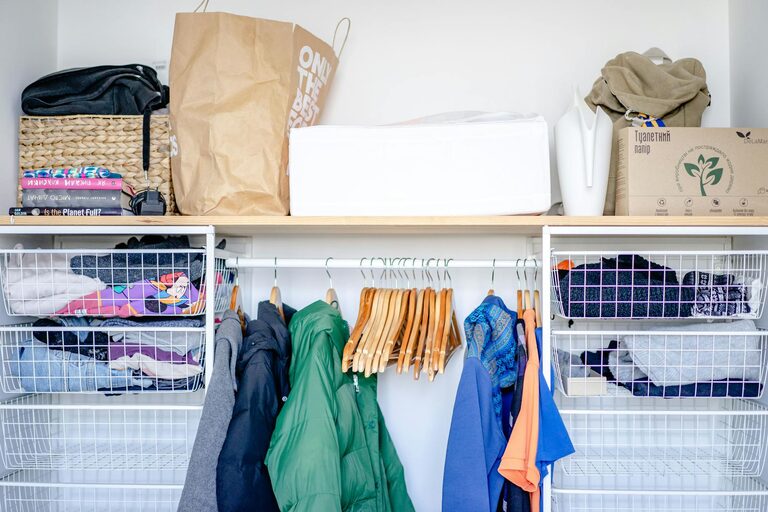
Storing seasonal clothes efficiently is a task many of us face each year. Whether it’s packing away winter sweaters or summer dresses, proper storage keeps your clothes in great condition and frees up closet space. In this guide, we’ll explore smart techniques to store your seasonal wardrobe so it stays fresh, wrinkle-free, and easy to access when the seasons change.
Why Proper Storage of Seasonal Clothes Matters
Clothes that sit unused for months can easily become musty, damaged, or creased without the right care. Efficient storage helps:
– Protect fabrics from moisture, dust, and pests
– Maximize your closet or storage space
– Save time when swapping seasonal wardrobes
– Extend the lifespan of your clothes
Let’s dive into how to prepare and store your off-season items effectively.
Step 1: Sort and Declutter Your Wardrobe
Before packing, take time to sort through your clothes. Ask yourself:
– Have I worn this item in the last season?
– Does it fit and is it still in good condition?
– Do I want to keep it for future use?
Separating items into “keep,” “donate,” or “repair” piles reduces clutter and makes storage easier. Donate or recycle what you no longer need.
Step 2: Clean All Clothes Thoroughly
Storing dirty clothes can attract pests and cause stains to set permanently. Follow these tips:
– Wash or dry clean clothes according to their care labels.
– Make sure clothes are completely dry before storing.
– Treat any stains or repairs before packing away.
A clean wardrobe ensures that your clothes stay fresh and ready to wear when you bring them back out.
Step 3: Choose the Right Storage Containers
The type of container you use impacts how well your clothes are preserved. Consider these options:
– Breathable fabric bins: Great for cotton, wool, and natural fibers; allow air circulation.
– Plastic storage boxes: Keep out moisture and pests; choose boxes with airtight lids.
– Vacuum-seal bags: Reduce space by removing air; ideal for bulky items like coats but not for delicate fabrics.
– Under-bed storage: Perfect for limited closet space; keeps clothes out of sight yet accessible.
Avoid plastic bags, as they can trap moisture and cause mildew.
Step 4: Use Proper Folding and Packing Techniques
How you fold and arrange clothes affects wrinkles and space. Follow these guidelines:
– Fold sweaters and knitwear flat to prevent stretching.
– Roll lighter items like t-shirts and pajamas to save space.
– Place heavier items at the bottom of storage bins.
– Layer with acid-free tissue paper for delicate fabrics.
– Include lavender sachets or cedar blocks to naturally repel moths.
Step 5: Label Your Storage Boxes
Labeling boxes makes switching wardrobes simple. Use clear, specific labels such as:
– “Winter sweaters”
– “Summer dresses”
– “Scarves and gloves”
You can also take photos of contents and tape them to the outside of each bin for easy identification.
Step 6: Store in a Cool, Dry, and Dark Place
The environment affects the condition of stored clothes. Ideal storage spaces:
– Avoid basements prone to dampness.
– Keep out of direct sunlight to prevent fading.
– Maintain good ventilation to reduce humidity.
– Consider a closet or a shelf in a well-ventilated room.
If you notice pests or musty odors, address these issues promptly.
Additional Tips for Special Items
Certain clothing needs extra care for storage:
– Leather and suede: Use breathable bags and condition before storing.
– Silk and delicate fabrics: Wrap in acid-free tissue paper and store flat.
– Wool and cashmere: Use cedar blocks to deter moths.
Final Thoughts
Storing seasonal clothes efficiently doesn’t have to be complicated. With proper cleaning, sorting, and packing, you can protect your favorite pieces and maximize your storage space. Implement these easy tips and enjoy a neat, organized wardrobe all year round.
—
Organizing your seasonal wardrobe is a simple habit that pays off every time the seasons change. Happy storing!